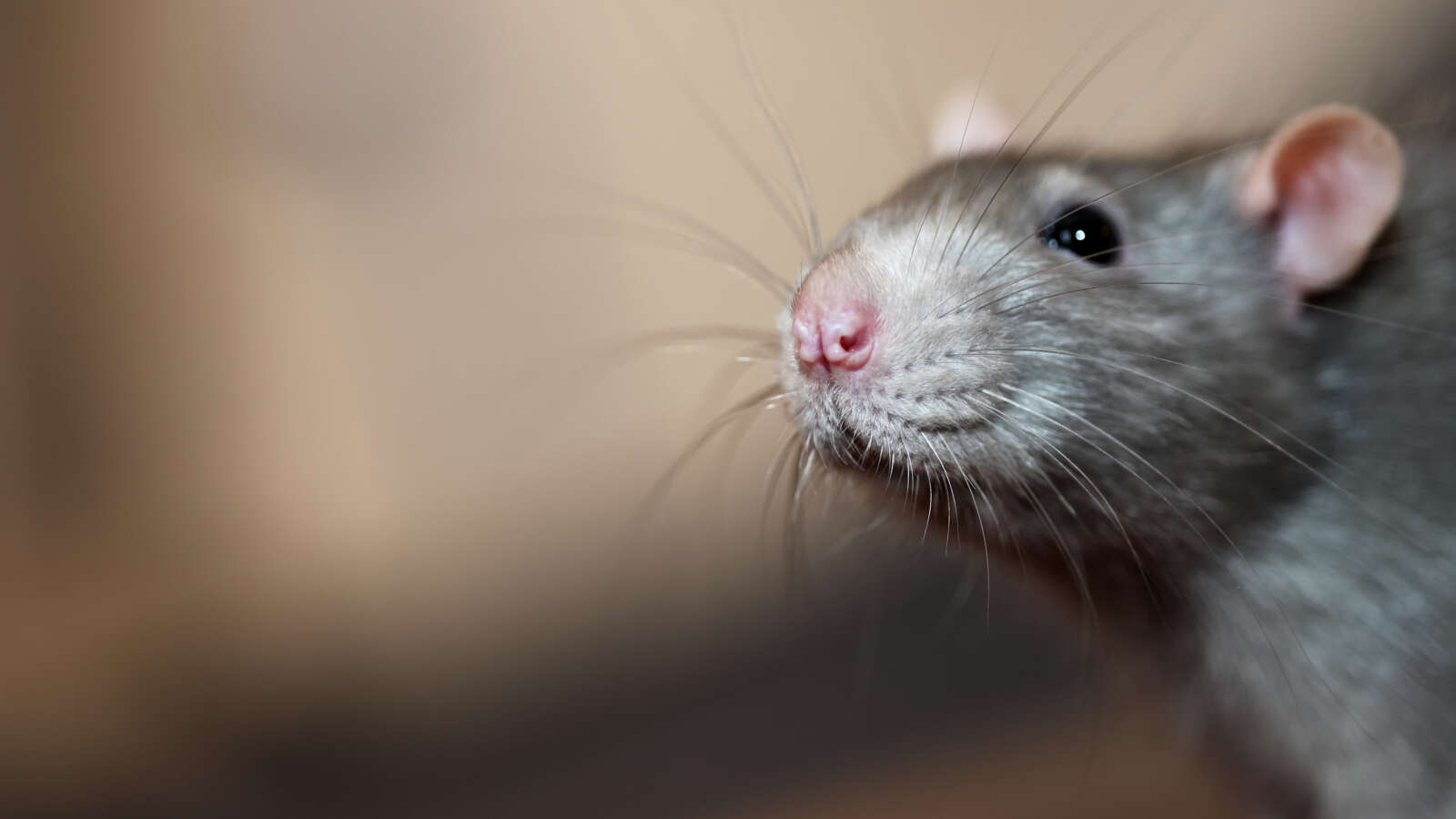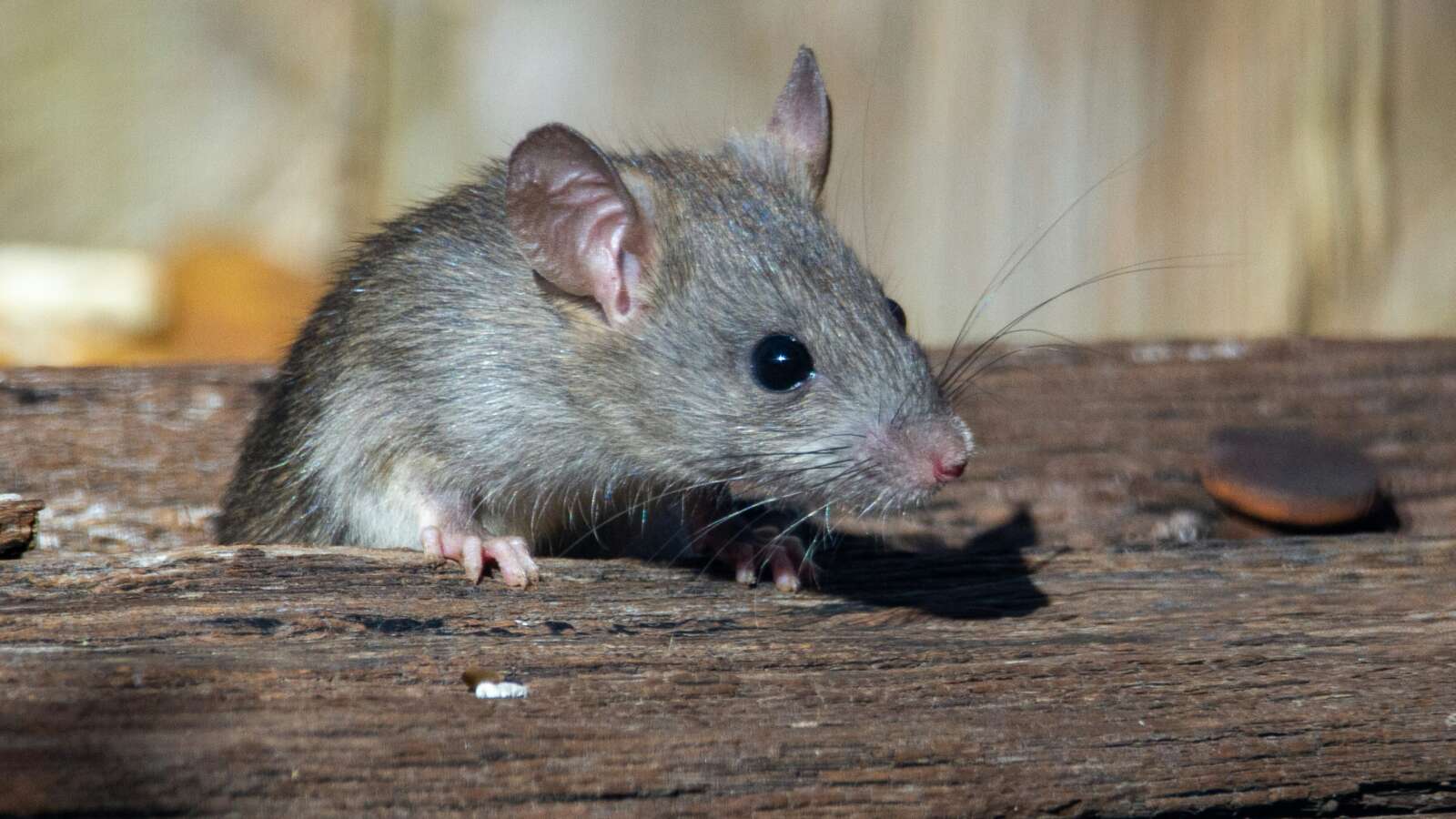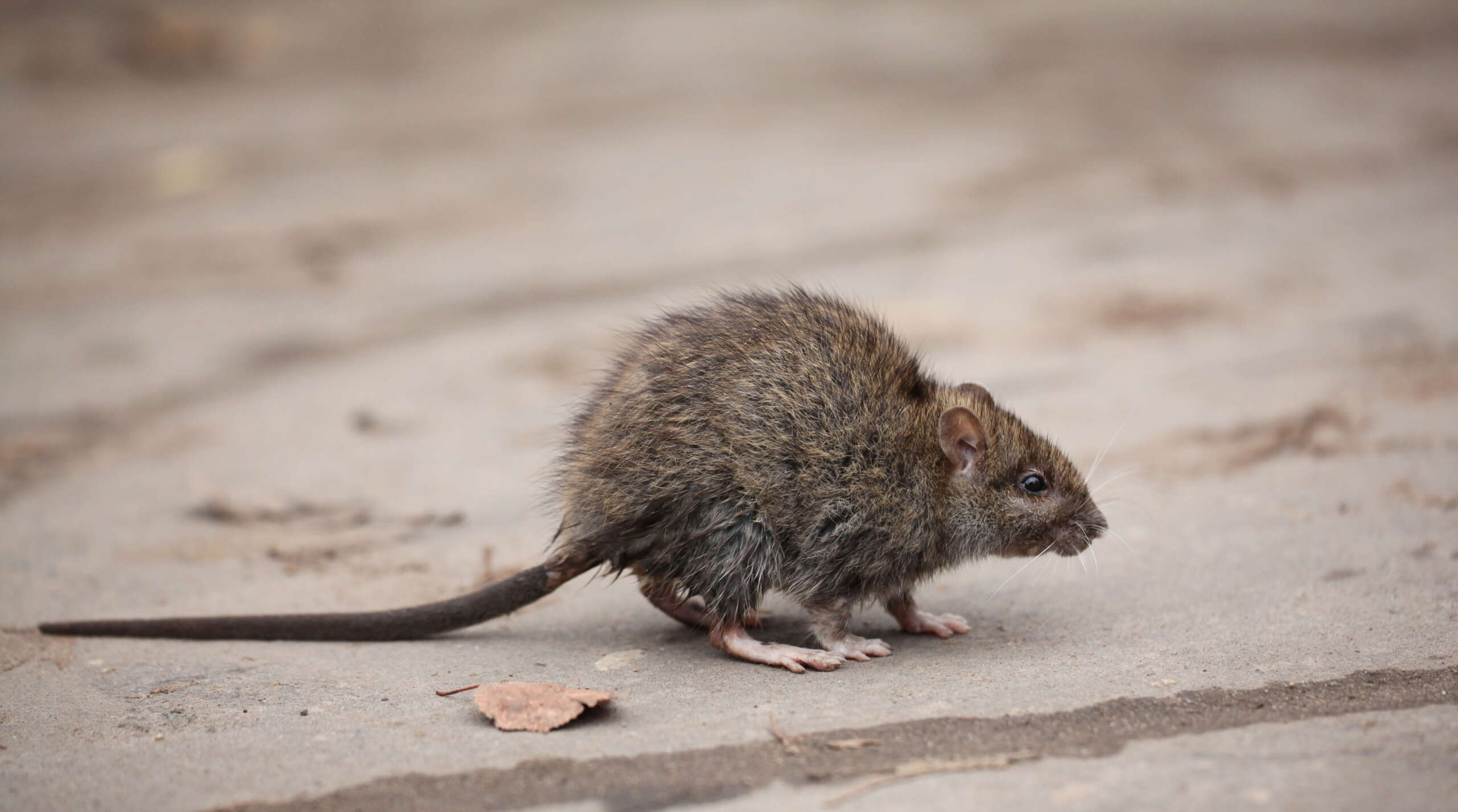

Last fall, a Tucson homeowner noticed her SUV was throwing warning lights on the dashboard. The mechanic diagnosed rodent activity under the hood that had damaged several wiring harnesses. The repair bill was painful. What made it worse was that it was entirely preventable. At GreenShield Pest Control, we hear versions of this story every fall. Rodents moving into Tucson homes in October and November do not stop at the front door. Garages, carports, and parked vehicles are just as attractive to them as a wall cavity or attic corner.
Why October and November Are the Riskiest Months for Your Car
Tucson’s fall calendar is predictable when it comes to rodents. As nights cool and the monsoon food supply dries up, mice, roof rats, and pack rats all start moving toward structures that hold warmth and offer shelter. October and November are the months we see the sharpest jump in rodent calls across the properties we service in Tucson and Pima County.
From a rodent’s perspective, a vehicle parked in a garage or under a carport looks ideal: warm from the engine, with insulation-like materials for nesting, and usually undisturbed for hours at a time. The chewing is not random destruction. They are building something, and your car is the supply depot.
What the Damage Actually Looks Like
Wiring damage in a vehicle can be costly, and catching rodent activity early makes a real difference. If you pop the hood and spot signs of nesting or disturbance near the engine, a rodent may have been there.
Under the hood, look for chewed wires or hoses, shredded insulation, nesting material packed near the engine or air filter, and droppings on top of the engine or battery. Pack rats often leave sticks, leaves, or bits of cactus behind as well. Damage adds up quickly once a rodent starts nesting, so the sooner you spot these signs, the cheaper the fix.
How to Keep Rodents Out of Your Car
The most reliable step is to address what attracts rodents to the garage in the first place. Store garbage in sealed containers and dispose of it regularly. Avoid leaving pet food out in dishes for long periods. Keep the garage floor clear of cardboard boxes and clutter, which rodents treat the same way they treat a wall cavity: as a ready-made nesting spot.
Sealing entry points into the garage itself is just as important as what you do inside. If the weather-stripping along the garage door has warped and no longer seals flush to the ground, rodents will find that gap within the first cold week. A mouse can flatten itself enough to pass through a gap the width of a pencil, and a rat needs only a little more space. Replace weather-stripping and repair any gaps where pipes or wiring pass through the garage wall.
Keep tree branches and shrubbery trimmed back from the garage structure. Overhanging branches act as direct travel routes from the yard to the roofline, and from the roofline to any opening they can find. Roof rats travel along exactly these kinds of elevated paths before dropping into an attic or garage space.
For the vehicle itself, if the garage has known rodent activity, do not let a car sit unused for days at a stretch during the fall season.
Stopping the Problem at the Source: The Yard and Garage Perimeter
What happens under a car hood is usually downstream of a larger yard problem. Clearing debris, keeping mulch pulled back at least 12 inches from the foundation, and removing piles of leaves, stones, or wood from around the structure all reduce the habitat that supports a yard population.
Our approach to rodent control starts outside, not inside. We look for the entry points rodents rely on, gaps where the roof meets the walls, weak spots around the garage, and foundation cracks that have opened up with each monsoon season, and we seal what we find with materials built to hold up through another Tucson summer and monsoon. Sealing off those routes does more to stop a rodent problem than any single treatment applied indoors after rodents have already moved in.
What We Did for the Homeowner in This Story
After the wiring repair, the homeowner called us. Our technicians inspected the garage perimeter, identified entry points, sealed those gaps, corrected conducive conditions around the structure, placed bait and monitoring stations, and scheduled follow-up checks.
For active rodent activity, we rely on precise placement of bait and monitoring stations rather than blanket indoor treatments. We also checked the attic and roof spaces, since roof rats rarely show themselves at ground level. The goal is a barrier that holds through the season, not a one-time fix. As of her last follow-up visit, no further damage had appeared and no new rodent signs were found in the garage or under the hood.
Frequently Asked Questions
How long does it take to rodent-proof a garage in Tucson?
A typical inspection and initial treatment visit covers entry-point identification, sealing, and station placement in a single appointment. Our ongoing rodent control program then includes follow-up monitoring visits to confirm the barrier is holding.
What if the rodents come back after treatment?
Our 100% Satisfaction Guarantee means that if rodents return between regular scheduled visits, we come back and treat again at no charge. If the same pest problem requires more than two free return visits, we apply a 100% credit of your last full payment toward the service if the problem is still not under control.
Do I need to do anything to prepare my garage before a technician visits?
Clear the garage floor as much as possible so our technicians can inspect along the base of the walls, the garage door threshold, and any gaps where pipes or utility lines enter. Move stored boxes away from the walls. If you have pets, let us know in advance so station placement accounts for them.
Are pack rats different from roof rats and house mice, and does that change the treatment?
Pack rats, roof rats, and house mice behave differently and require different placement strategies. Roof rats travel high, along power lines and roof edges, while house mice stay low and pack rats center activity around their middens. Our technicians identify which species is involved before placing any stations, because a plan built for a roof rat will not solve a pack rat problem.
If you have heard something under your hood, found droppings in the garage, or just want to get ahead of Tucson’s fall rodent season before it costs you a wiring repair bill, give us a call at (520) 393-3352. Our technicians serve Tucson, Marana, Oro Valley, Vail, Sahuarita, Green Valley, Sierra Vista, Benson, and throughout Pima and Cochise counties. We will inspect your property, identify what is getting in and where, and put a plan in place that holds through the season. Contact us.