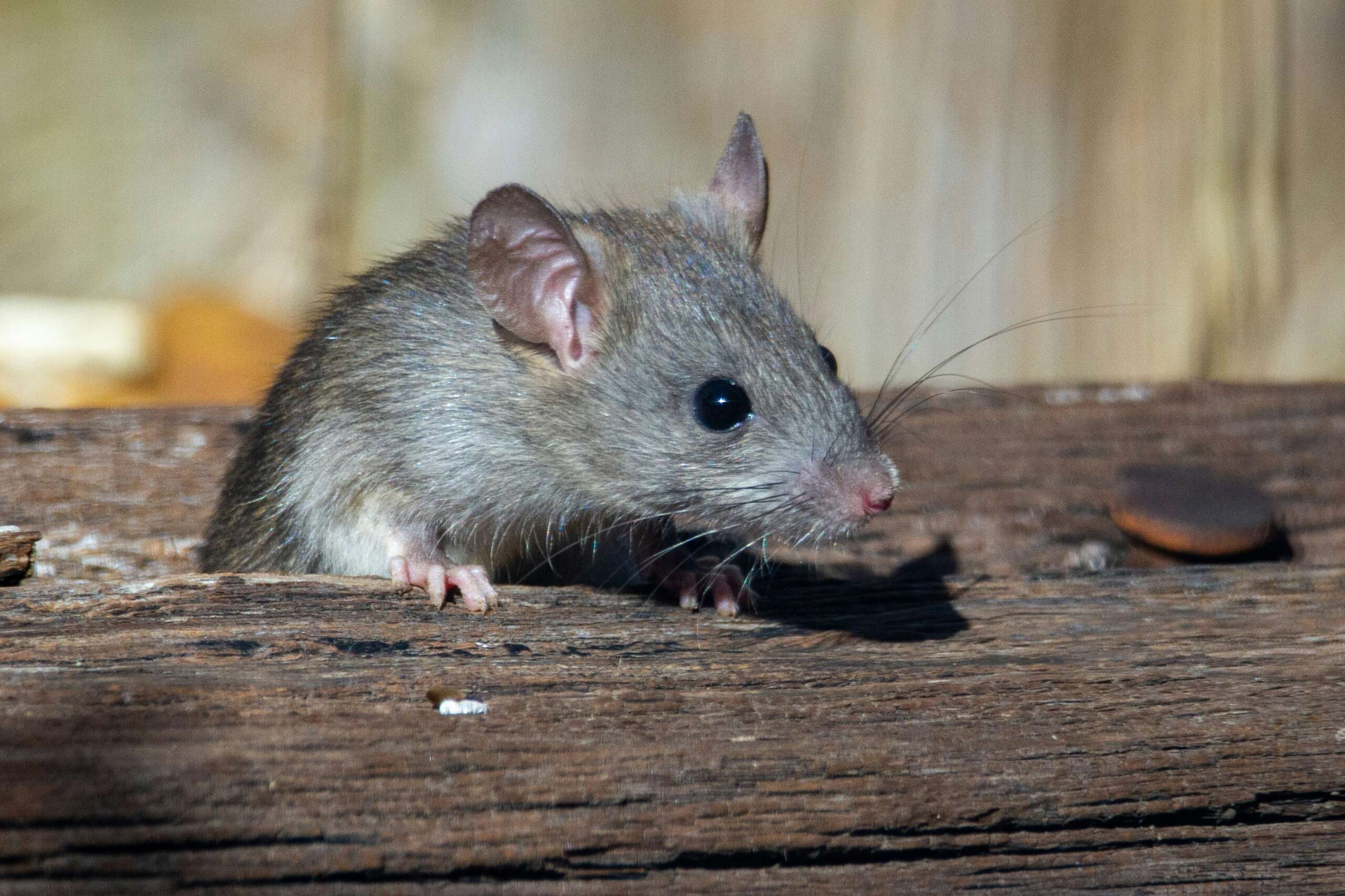

Mice and rats start moving into Tucson homes in early fall as nights cool off and outdoor food becomes harder to find. A house holds onto warmth, water, and crumbs in a way the desert stops offering once monsoon season winds down. Rodents look for a way in through gaps around vents, garage doors, and where pipes or wiring pass through a wall, then settle into a quiet corner, like a garage shelf or attic space. Once one mouse finds an opening that works, others usually follow the same path within a few weeks.
Why Mice Come Inside in Fall
Tucson spends most of the year too hot and too dry for rodents to bother with much beyond fields and washes. That changes fast once September nights start dropping into the 60s. Mice and rats read the same signal your thermostat does, and the reason mice come inside in fall traces back to a mix of cooler temperatures and a food supply that’s drying up outside along with the monsoon.
We see the same pattern every year across the Tucson properties we service: a quiet summer, then a sharp jump in rodent calls the week the first real cold front comes through. It isn’t random. Rodents are doing exactly what they do every year, just on a schedule tied to the desert’s own calendar.
Why Mice Come Inside as Nights Cool
A house holds onto heat long after the desert air drops for the night, and that alone is enough to pull rodents toward a structure they’d ignore in July. Add a shrinking supply of seeds, insects, and green growth once the monsoon ends, and a garage, shed, or attic starts to look like the better option. Roof rats and house mice both move on instinct here, not because a home looks inviting in any human sense, just warm and stocked with food nearby.
The shift usually starts small. A mouse tests a gap, finds it workable, and returns. Within a couple of weeks, a single opening can carry enough traffic that homeowners hear it before they ever see a physical sign.
How Rodents Find Their Way In
Mice and roof rats do not need much of an opening. A mouse can flatten itself enough to pass through a gap the width of a pencil, and a rat needs only a little more room than that.
- Gaps where pipes or wiring pass through an exterior wall
- If the seal along a garage door has warped, it often stops sealing flush to the ground
- A slipped roof tile or torn vent screen along the edge of the roof
- Foundation cracks that widen slightly with each monsoon season
Once inside, rodents rarely stay out in the open. They travel the same route between a food source and a nesting spot, usually the space inside a wall, an attic corner, or a stack of stored boxes, and that repetition is part of what makes a problem grow instead of staying contained to one mouse.
What Happens Once Rodents Are Inside
A single female mouse can have several litters before winter is over, so what starts as one animal in September can be a small colony by the time the weather turns cold. Chewed wiring and insulation from nesting activity carry a real cost beyond the noise and mess, and droppings left in a pantry or attic space are not something to live alongside for months at a time.
Roof rats add a second problem on top of that: they favor attic spaces and roof spaces over ground-level walls, so damage often starts overhead, in insulation and ductwork, long before anyone hears a sound from below.
None of this means every rodent sighting in fall is a full infestation already underway. It just means the window to deal with one mouse is a lot shorter than most homeowners expect, and it shrinks fast once cooler nights settle in for good.
Signs You May Have Rodents
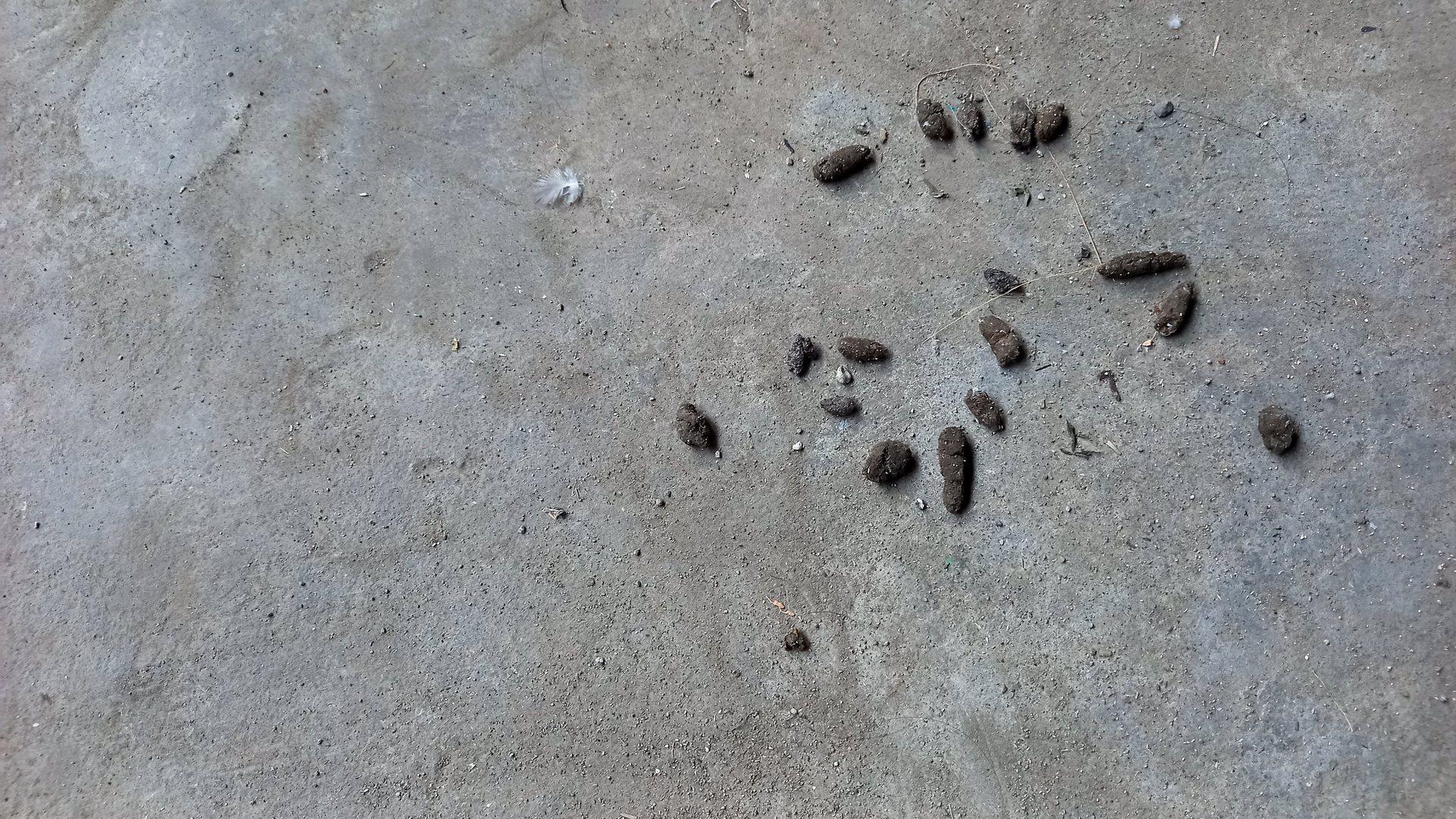
A few signs tend to show up before rodents are obvious to the eye.
- Small, dark droppings turning up along baseboards or in drawers
- You may hear scratching or light scurrying inside the walls at night
- Chewed corners on cardboard, food packaging, or exposed wiring
- Where rodents repeatedly brush the same surface, a greasy smear builds up along a baseboard or beam
Any one of these on its own is worth a closer look. Two or more together usually means rodents have already settled into a routine somewhere in the house.
How We Keep Rodents Out This Fall
Our approach to residential pest control starts outside the house, not inside it. We look for the same entry points rodents rely on: gaps where the roof meets the walls, weak spots around the garage, and foundation cracks that have opened up since last year.
Then, we seal what we find with materials built to hold up through another Tucson summer and monsoon. Sealing off those routes does more to stop a rodent problem than any single treatment applied indoors after rodents have already moved in.
For active rodent activity, we rely on placing bait and monitoring stations in key spots and checking them regularly, rather than blanket indoor treatments. We check the attic and other roof spaces too, since roof rats rarely show themselves at ground level the way house mice do.
Our upcoming rodent control program builds on that same standard: precise placement, methods that account for pets and kids in the house, and a barrier that holds up through the season rather than a one-time fix.
A quick spray and a callback in three weeks aren’t the standard we hold ourselves to. Sealing a home against rodents is slower work than that, and it’s the only version that actually holds.
Fall in Tucson means rodent calls start picking up fast, and the homes that get ahead of it are the ones that seal up before the first cold front, not after droppings show up in the pantry. If you’ve noticed scratching at night or found chewed packaging in a cabinet, call (520) 393-3352 to get a technician who can find the entry point before it turns into a bigger job.
We proudly serve:
- Tucson
- Oro Valley
- Marana
- Sahuarita
- Vail
- Green Valley
- Sierra Vista
- Benson