A pack rat is a desert rodent that builds a bulky nest called a midden out of sticks and cactus pads, plus whatever shiny odds and ends it can carry off. One settles in your yard because a yard offers what the open desert does not: shade that holds all day and irrigation water, with…
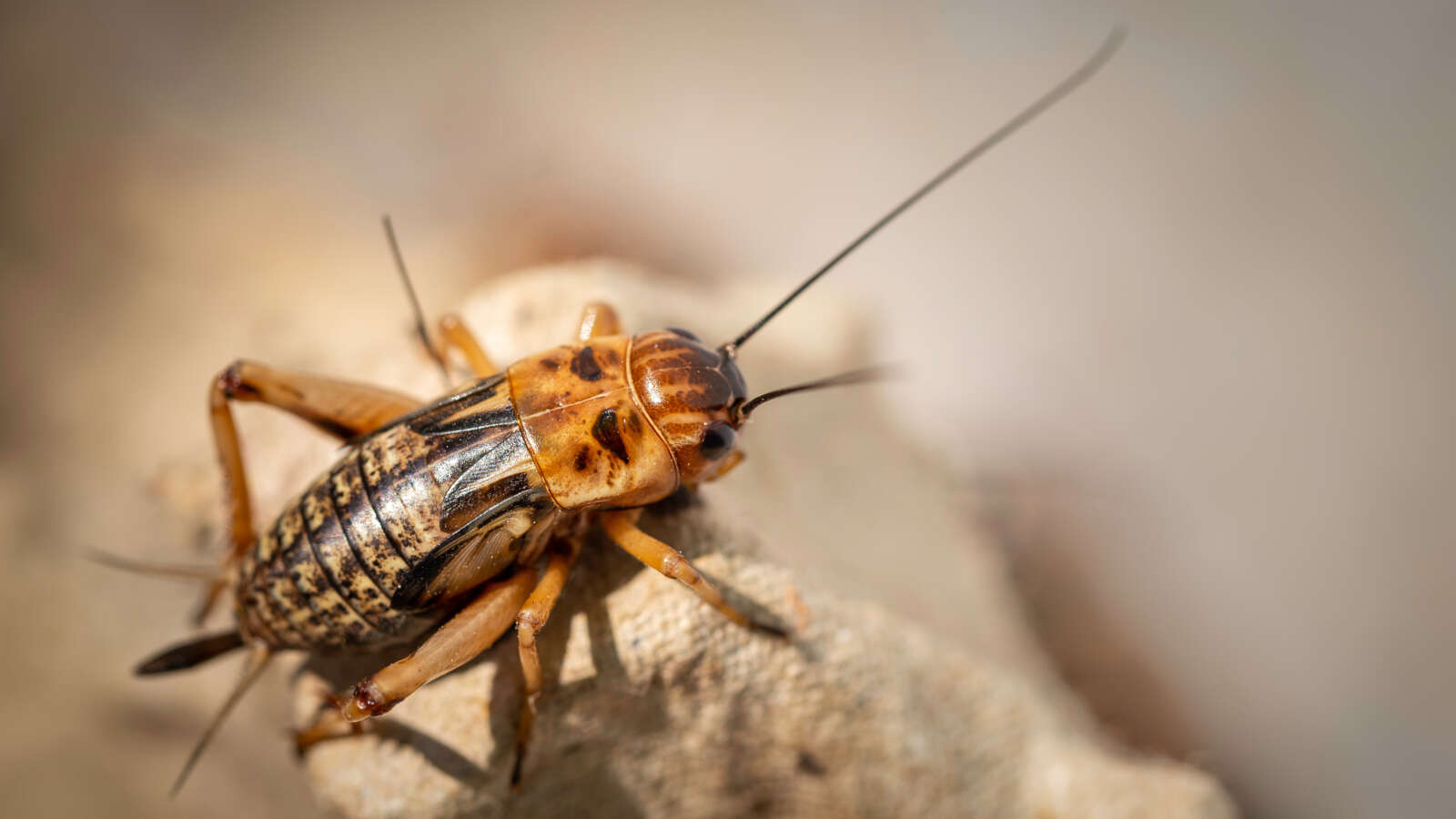
Crickets come inside when the ground outside stops holding heat overnight. In Tucson, that shift lands in October, and the crickets that spent the summer under mulch and along block walls start moving toward the warm air leaking from a garage door or the gap under an exterior door. Once inside, they head for moisture,…
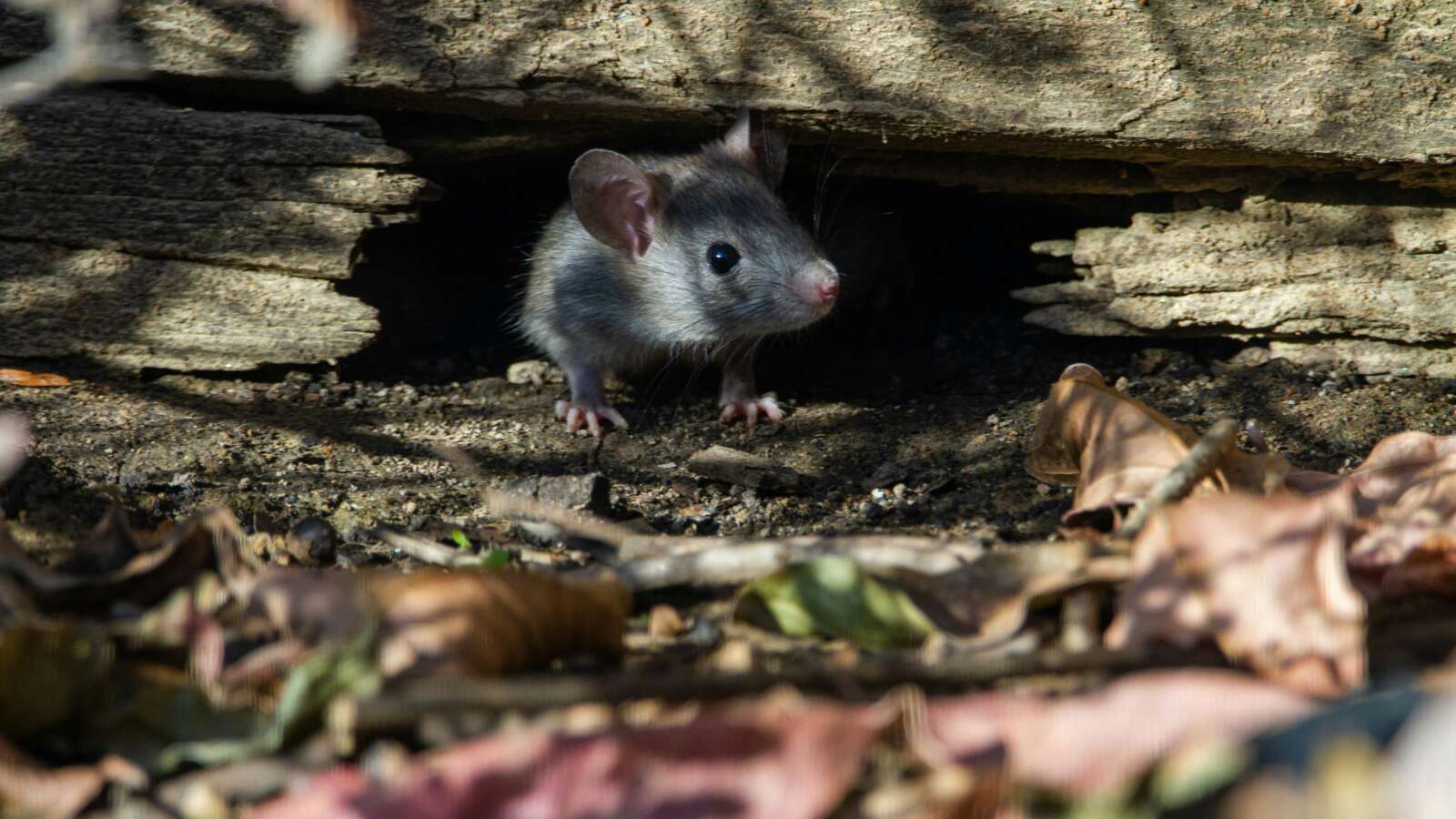
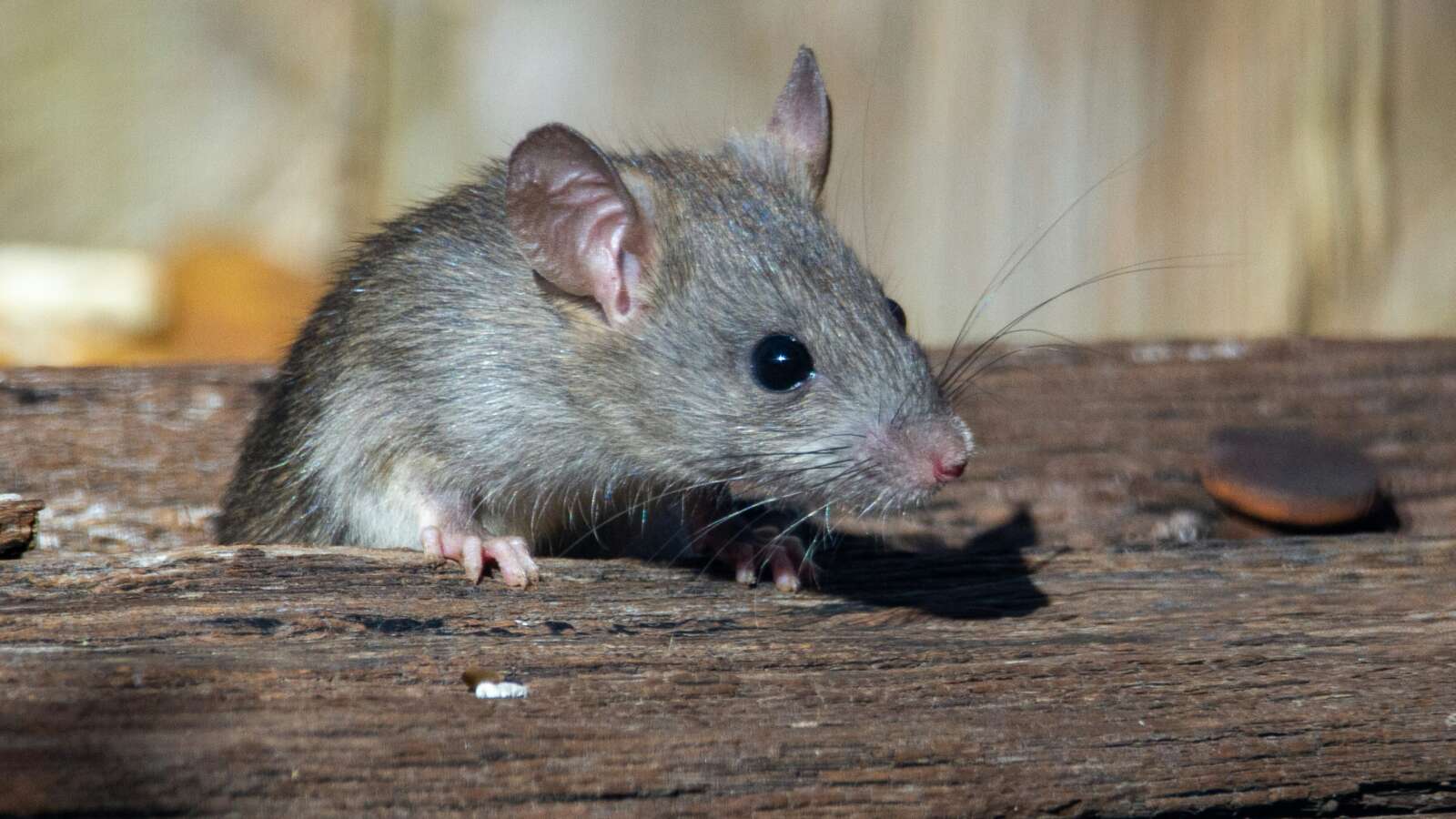
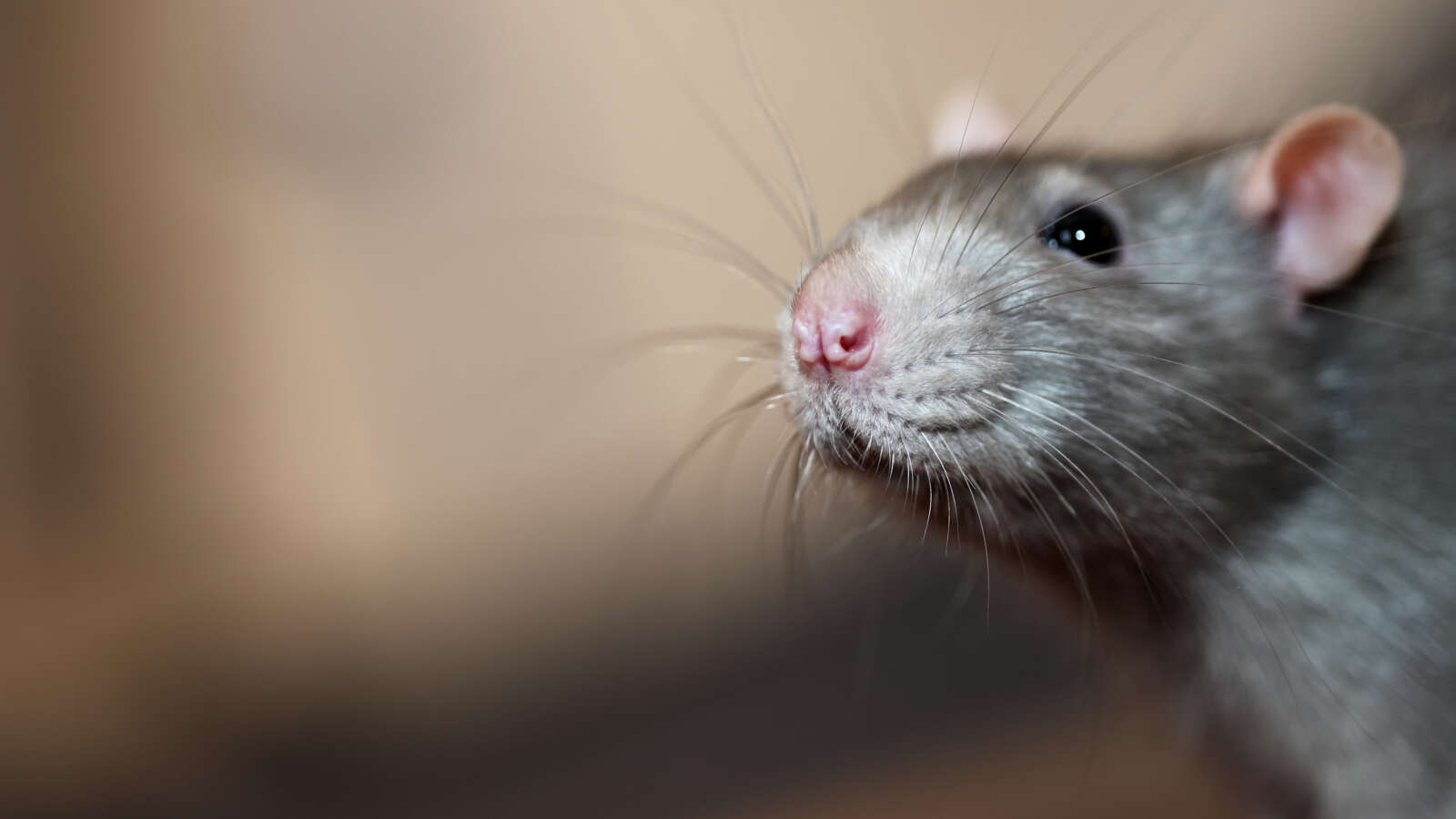
Roof rats and house mice look similar at a glance, but size and location usually give them away. A roof rat runs 13 to 18 inches from nose to tail with a long, hairless tail, while a house mouse tops out around 7 inches including its shorter, thin tail. Roof rats climb and nest up…
Mice and rats start moving into Tucson homes in early fall as nights cool off and outdoor food becomes harder to find. A house holds onto warmth, water, and crumbs in a way the desert stops offering once monsoon season winds down. Rodents look for a way in through gaps around vents, garage doors, and…
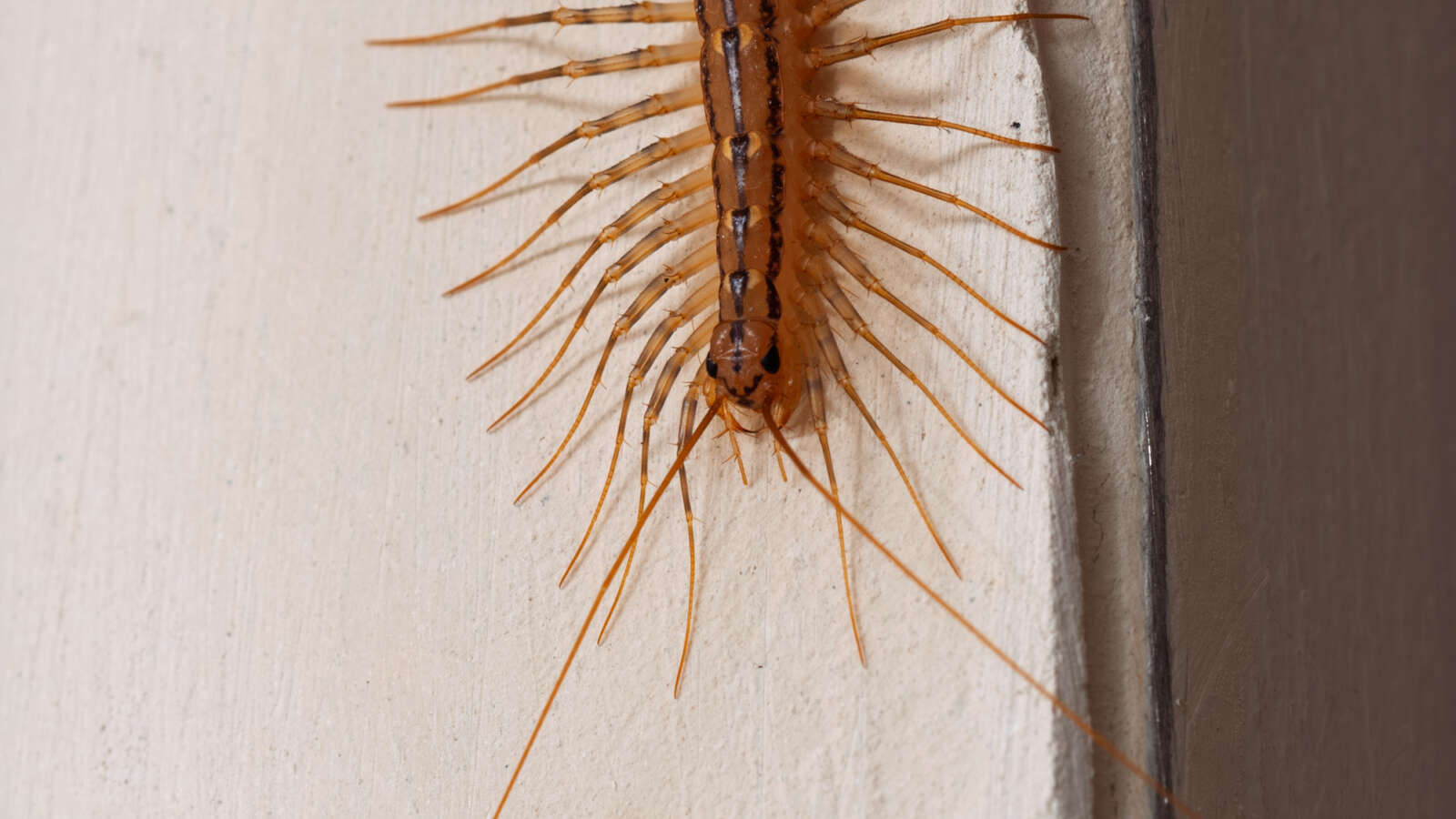
A quick flash of legs across the bathroom tile at 2 a.m. is the first real sign a centipede found its way in, and August is when we hear about it the most. Tucson's monsoon rain has kept the ground outside wet for weeks, and centipedes in AZ don't need much of it to stay…