
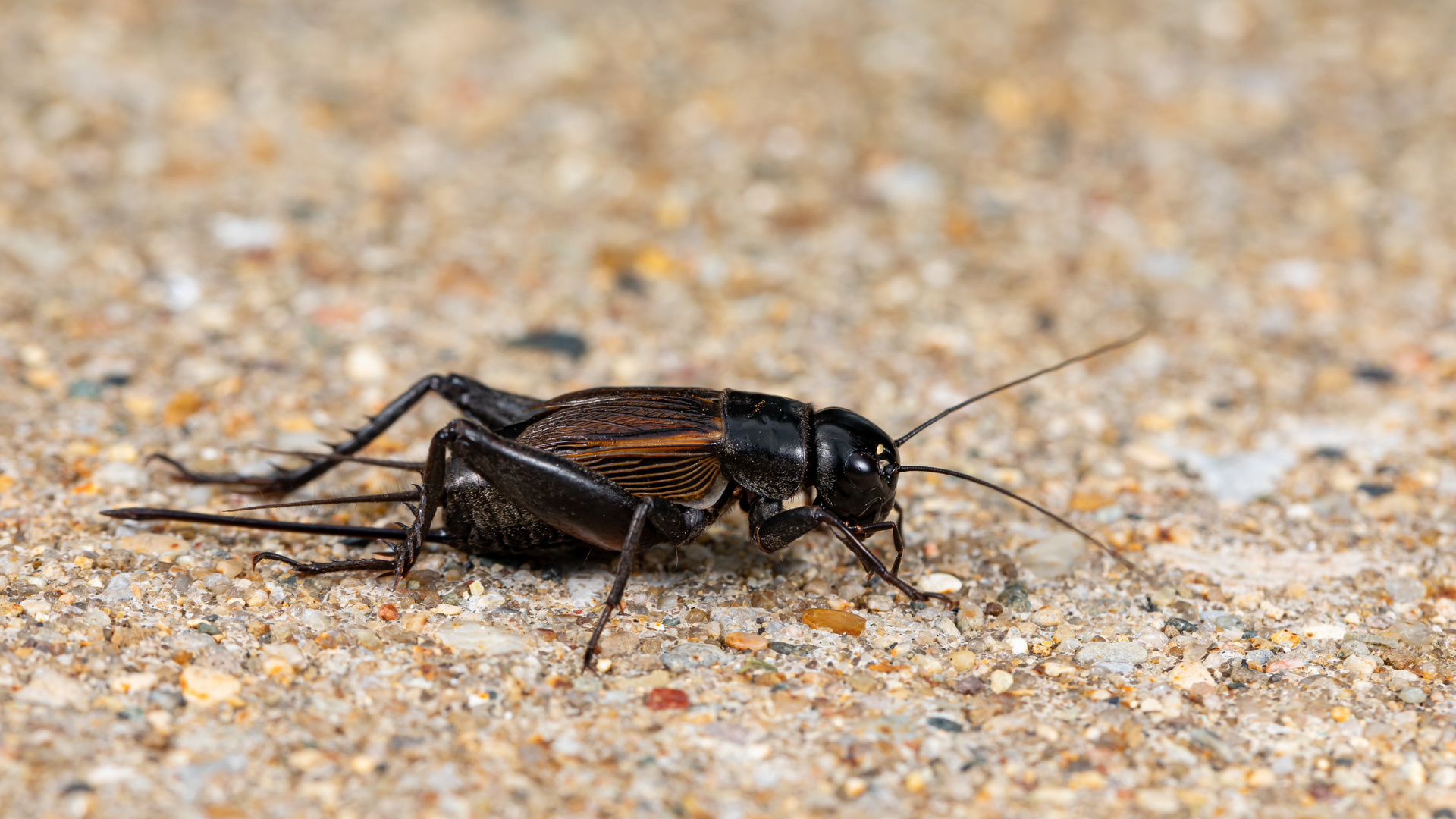

The first monsoon rain of July doesn’t just cool things down. It triggers a wave of biological activity that builds for the next ten weeks. Insects that stayed dormant or suppressed through the dry heat suddenly have the moisture they need to move, breed, and spread. Monsoon pests in Tucson follow predictable patterns year after year: the same species surge at the same time, in the same sequence, for the same reasons. Knowing what that sequence looks like, and what drives it, is what separates reactive pest management from getting ahead of it.
What the Monsoon Does to Pest Activity
Moisture is the single biggest lever. Most insects have a hard upper limit on how much water they lose through their exoskeleton, and the dry season pushes many species to the edge of what they can sustain. The first monsoon rains don’t just provide drinking water; they change soil conditions, trigger plant growth, and create the standing water and damp vegetation that multiple pest species need to complete their development.
Summer pests in Tucson respond to this shift within days. Soil-dwelling insects emerge. Ground-nesting ants excavate. Crickets that were suppressed by low humidity start moving in earnest. The wave of invertebrate activity that follows the first significant rain can increase pest pressure noticeably within a week, and it doesn’t peak immediately.
Rain, Heat, and the Pest Pressure Pattern
The monsoon doesn’t eliminate the heat; it adds moisture to it. That combination accelerates insect development in ways the dry summer doesn’t. Shorter development cycles mean faster population growth across multiple species at once. Pest species that might take three to four weeks to cycle through a generation under dry summer heat can move through that same cycle in under two weeks when humidity is consistently high.
That’s why late July through August tends to be the peak pressure window for monsoon pests in Arizona, rather than the first week of rain. The surge builds as each generation produces more adults, and by mid-August most Tucson homeowners feel the difference regardless of whether they’ve taken any steps to address it.
Crickets and the Monsoon Connection
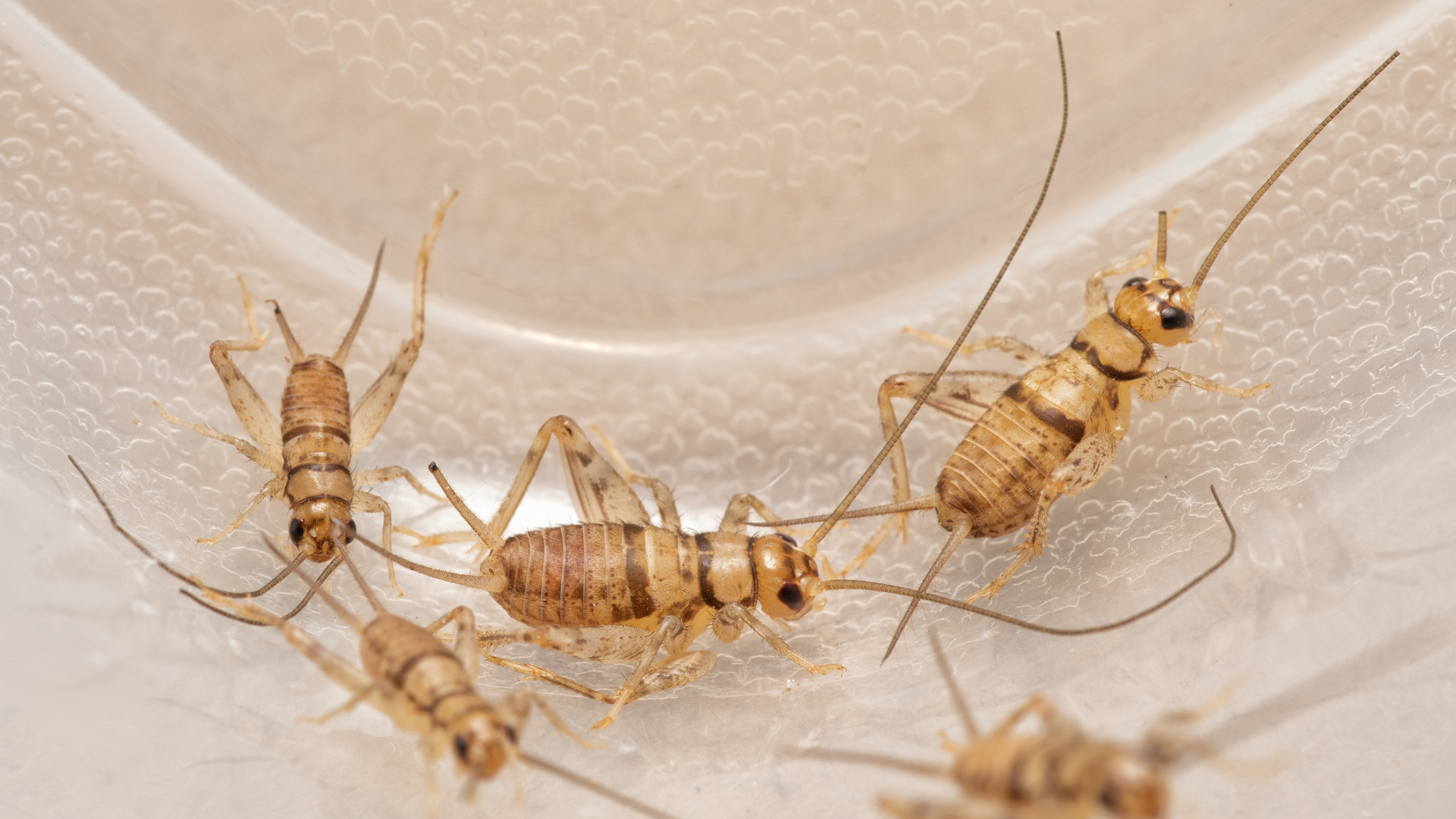
Crickets are the most visible sign that monsoon season has arrived in Tucson. Field crickets and house crickets both respond strongly to the humidity increase; their populations can move from scattered and quiet to dense and loud within a few days of consistent rain. What pests come out in monsoon season most noticeably? Crickets top the list for most Tucson homeowners, and they set off a chain reaction that affects everything else.
The noise is the first thing people notice. The second is the sheer number of them. Crickets gather wherever light attracts them: exterior walls, garage doors, patio lights, and entry points. Once a large population builds up outside, pressure on every gap, crack, and door seal around the home increases significantly.
What Draws Crickets Inside in Summer
Crickets move indoors when outdoor temperatures spike between rain events, when populations outside get dense enough that competition for space increases, or when interior lights attract them through gaps around doors and windows. Inside, they feed on fabric, paper, stored food, and organic debris. A large cricket infestation indoors creates its own odor problem over time, separate from the noise.
More relevant to homeowners: crickets are a food source. Scorpions follow cricket populations. Our scorpion control service is one of the most requested services we run during monsoon season precisely because cricket surges pull scorpion activity toward occupied structures. Treating the cricket population outside reduces the food pressure that draws scorpions in.
What Follows the Cricket Surge
Rain pests in Tucson don’t operate independently. They form a food chain, and the activity of one species directly affects the behavior of the next. Crickets attract scorpions. Dense insect populations along exterior walls attract spiders. Moisture-softened soil lets ants excavate and forage into areas that were too dry earlier in the summer. Each pest surge feeds the next one if the foundation pressure isn’t addressed early in the season.
Spiders are worth addressing specifically. Black widow populations in Tucson increase during monsoon season; they follow the same insect prey the rains produce and build webs in protected exterior spots: under eaves, behind shutters, around exterior fixtures, and in corners near entry doors. Finding black widows outside the home during July and August is a reliable sign that the broader pest pressure around the structure is high. A thorough exterior treatment during monsoon season addresses spiders directly rather than waiting for them to appear indoors.
Reducing the Food Chain Effect
Cutting the cricket population outside is the fastest lever for reducing broader monsoon pest pressure. Exterior barrier treatment applied before the first major rain of the season puts the product in place before populations build rather than after. Barrier treatments work best when they’re not washed away immediately; timing the application during a dry window means better residual coverage through the wet weeks that follow.
Supporting steps that reduce the cricket draw:
- Switch exterior lighting to yellow-tinted or sodium vapor bulbs that attract fewer insects
- Seal gaps under garage doors and exterior door sweeps before July arrives
- Clear debris, leaf piles, and dense ground cover from the foundation perimeter
Pest Control for Monsoon Season
Where We Serve in Southern Arizona
Monsoon pests in Arizona follow the same cycle every year, and so does the best response to them. Our pest control services include exterior barrier treatment timed to the monsoon calendar, perimeter coverage for crickets, scorpions, and spiders, and follow-up visits scheduled to maintain coverage through the wet season. You can also read about what lives in Tucson’s cricket population year-round.
Call us at (520) 393-3352 or reach out online to schedule service before the surge builds. We work with homeowners throughout southern Arizona, including:
- Tucson, AZ
- Marana, AZ
- Oro Valley, AZ
- Sahuarita, AZ
- Green Valley, AZ
- Vail, AZ
- Sierra Vista, AZ
- Benson, AZ