
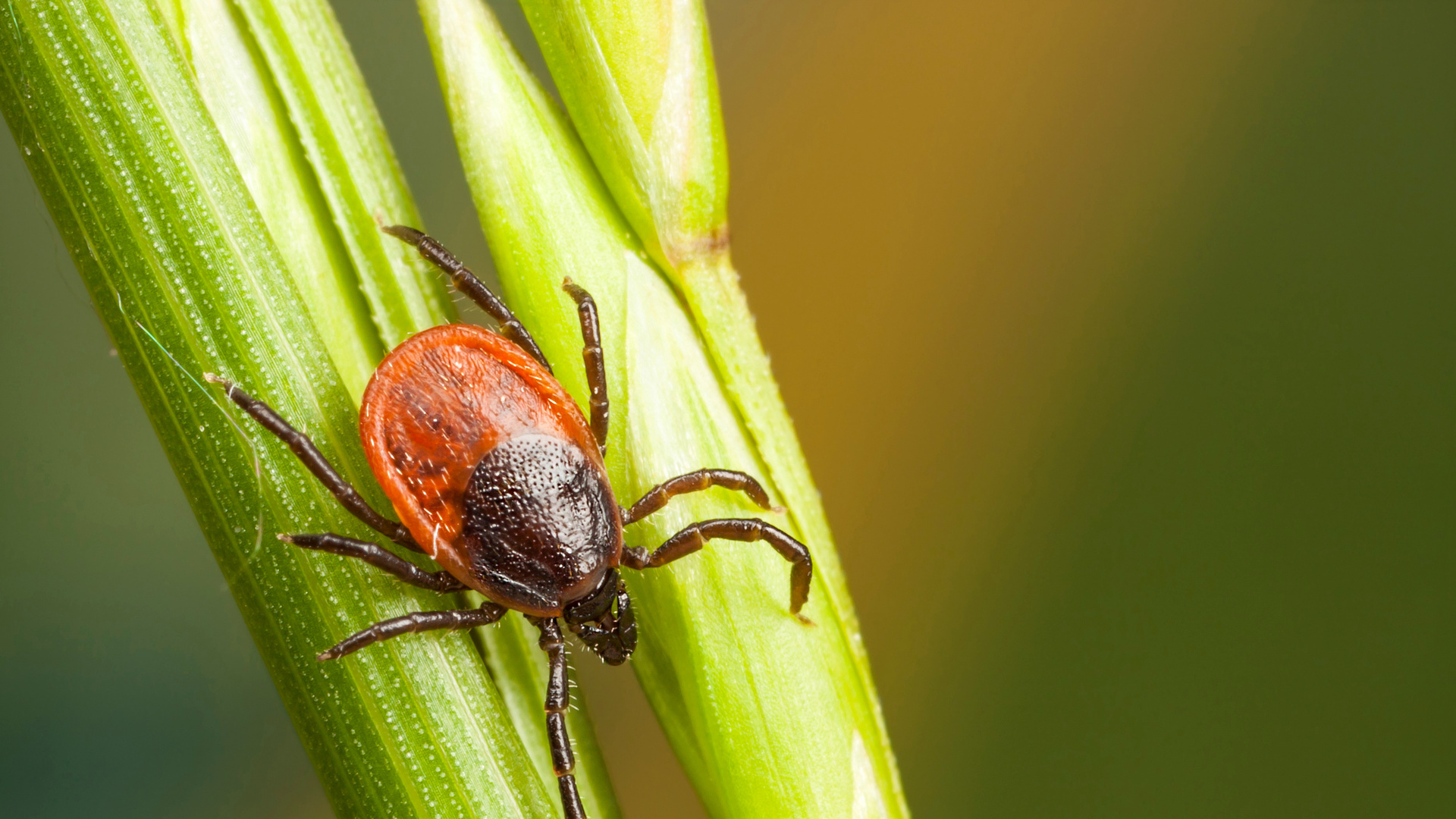

July humidity marks a change in what’s active around the yard. The monsoon’s first rains push insects and arachnids into new movement patterns, and ticks in Arizona respond to that shift the same way: activity climbs, vegetation fills in along desert washes and fence lines, and the outdoor hours families and pets log reach their peak. Tick control in Tucson doesn’t dominate the conversation the way scorpion management does, but for households with dogs that spend real time outside, ticks are a consistent warm-weather concern. Knowing which species live here, how each one behaves, and what actually works for tick prevention for pets and family makes this manageable rather than a guessing game.
Which Ticks Are Active in Arizona
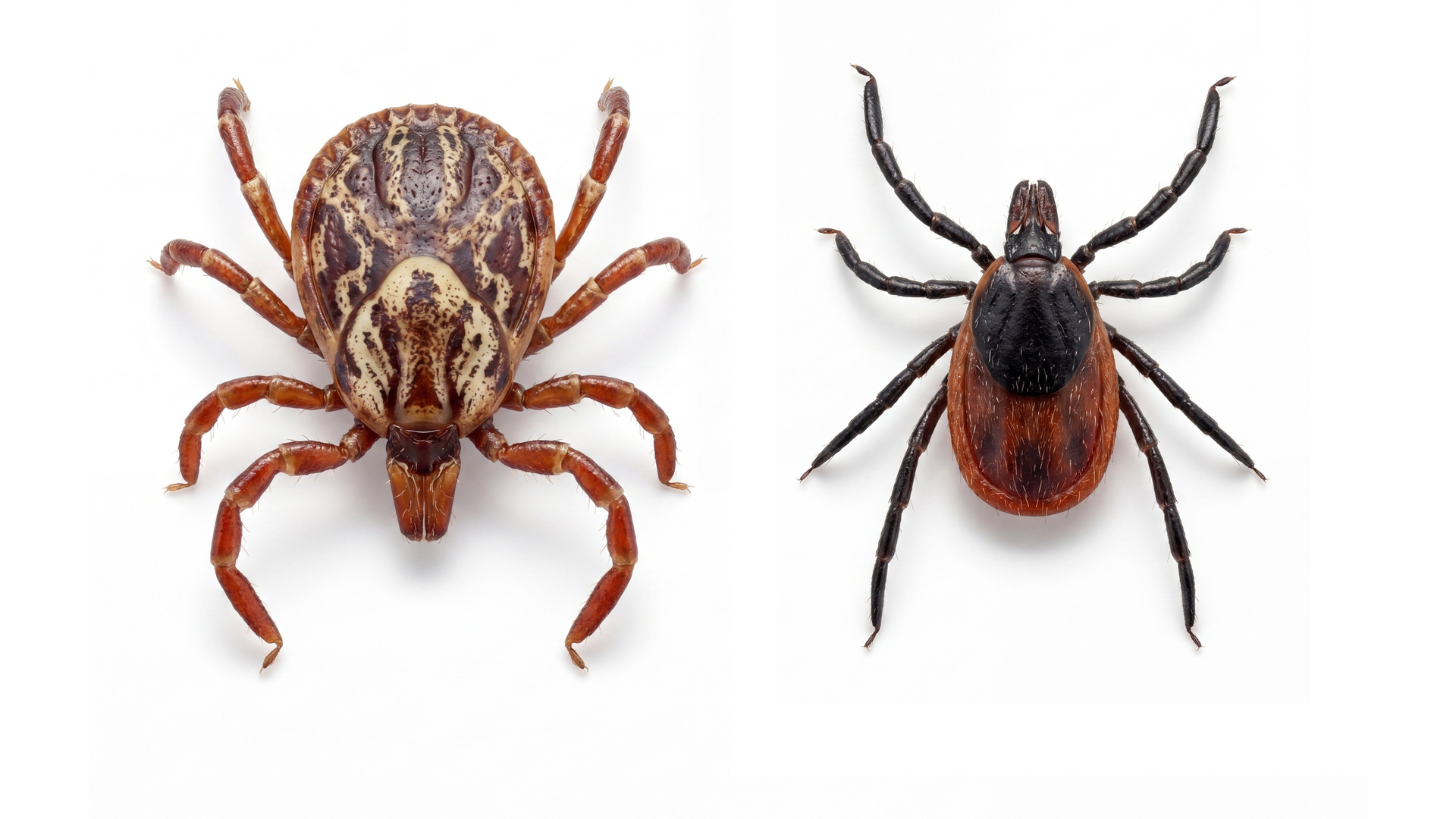
Three species show up consistently in southern Arizona, and the one most likely to cause problems inside your home isn’t the one with the most serious health reputation. Dog ticks in Tucson follow a seasonal curve tied to moisture and temperature, with activity highest between June and September. Identifying the species matters because their behavior, preferred environments, and the ways they enter homes differ enough that treating for one without accounting for the others leaves real gaps.
The western black-legged tick carries the highest Lyme disease transmission risk in the western United States. It’s more common at elevation in the sky islands and foothills, though it does reach lower desert terrain in southern Arizona. The American dog tick prefers areas with dense grass and brush and shows up more frequently after monsoon rains temporarily build that kind of vegetation near desert washes and developed green spaces.
The Brown Dog Tick and Indoor Risk
Brown dog ticks are the species most likely to move inside. Every other Arizona tick species needs to complete its life cycle outdoors; brown dog ticks don’t. They breed inside walls, behind door frames, in baseboards, and in carpet fibers. A dog that brings one inside hasn’t just introduced a hitchhiker. It may have started an indoor population. Outdoor-only treatment misses this entirely. Any tick control plan for a home with dogs needs to account for interior hiding spots alongside exterior vegetation zones; an infestation that started inside won’t respond to perimeter-only treatment no matter how thorough the yard work is.
How Ticks Find Pets and People
Questing is the tick’s feeding strategy. It climbs to the tip of a grass blade or a low shrub stem and holds its front legs extended, waiting for something warm-blooded to brush against it. The contact zone for an adult walking a desert trail runs roughly from the ankle to the knee. That same stretch of vegetation passes across a dog’s face, ears, and chest when it moves through at a natural nose-down pace.
Dry desert air actually limits tick survival; their exoskeleton doesn’t retain moisture well, and they die off quickly when conditions stay too arid. The monsoon changes that. July through September gives ticks in Arizona the humidity they need to remain active in areas where they’d otherwise struggle, and that window aligns almost exactly with the peak outdoor season for most Tucson families. Tick prevention for pets becomes more pressing during these months for that reason.
Why Dogs Get More Tick Exposure
People instinctively step back from dense brush. Dogs investigate it. The ears, the area around the collar, between the toes, and under the legs are where ticks attach most because the skin is thinner, warmer, or harder for the dog to reach when grooming. Running fingers against the grain of the coat in those specific spots after outdoor time catches most ticks before feeding has been going long enough to matter. A tick that’s been attached for fewer than 24 hours has had very limited opportunity for disease transfer, and most of what you’ll find in a timely check falls well inside that range.
Tick Prevention for Pets and Family
Veterinarian-recommended prevention products are the strongest first line of defense for the pet itself. Oral tick preventatives and quality topical treatments don’t just repel; they kill ticks before feeding reaches the point where transmission risk becomes real. Getting this in place before monsoon season, rather than after the first tick shows up, is the smarter sequence. For the yard, the conditions ticks prefer are worth reducing:
- Mow grass short and cut back brushy growth along fence lines near the home’s perimeter
- Clear leaf piles, wood stacks, and debris that hold moisture close to the foundation
- Keep dogs on established paths during walks rather than running through dense wash vegetation
What to Do When You Find a Tick
Fine-tipped tweezers and steady upward pressure are all you need for tick removal. Grip as close to the skin as possible and pull straight out: no twisting, no heat, no petroleum products. Twisting or applying heat causes a tick to release saliva back into the bite. That raises transfer risk rather than reducing it. Clean the area with rubbing alcohol afterward and keep the tick in a sealed container for about a week. If symptoms like an unexplained rash, fever, or unusual fatigue develop in that window, having the tick for identification can be useful to a physician.
Tick Control Help in Tucson
Where We Serve in Southern Arizona
Finding one tick after one walk is part of having an outdoor dog in the desert. Seeing them consistently on multiple pets, on family members, or finding them inside the home is a different pattern. That points to active pressure around the structure that needs direct treatment. Our pest control services address the exterior zones where ticks spend most of their time: vegetation margins, ground-level debris areas, and the perimeter coverage included in every residential pest control visit we run.
Call us at (520) 393-3352 or reach out online to schedule a service visit. We serve homeowners throughout southern Arizona, including:
- Tucson, AZ
- Marana, AZ
- Oro Valley, AZ
- Sahuarita, AZ
- Green Valley, AZ
- Vail, AZ
- Sierra Vista, AZ
- Benson, AZ