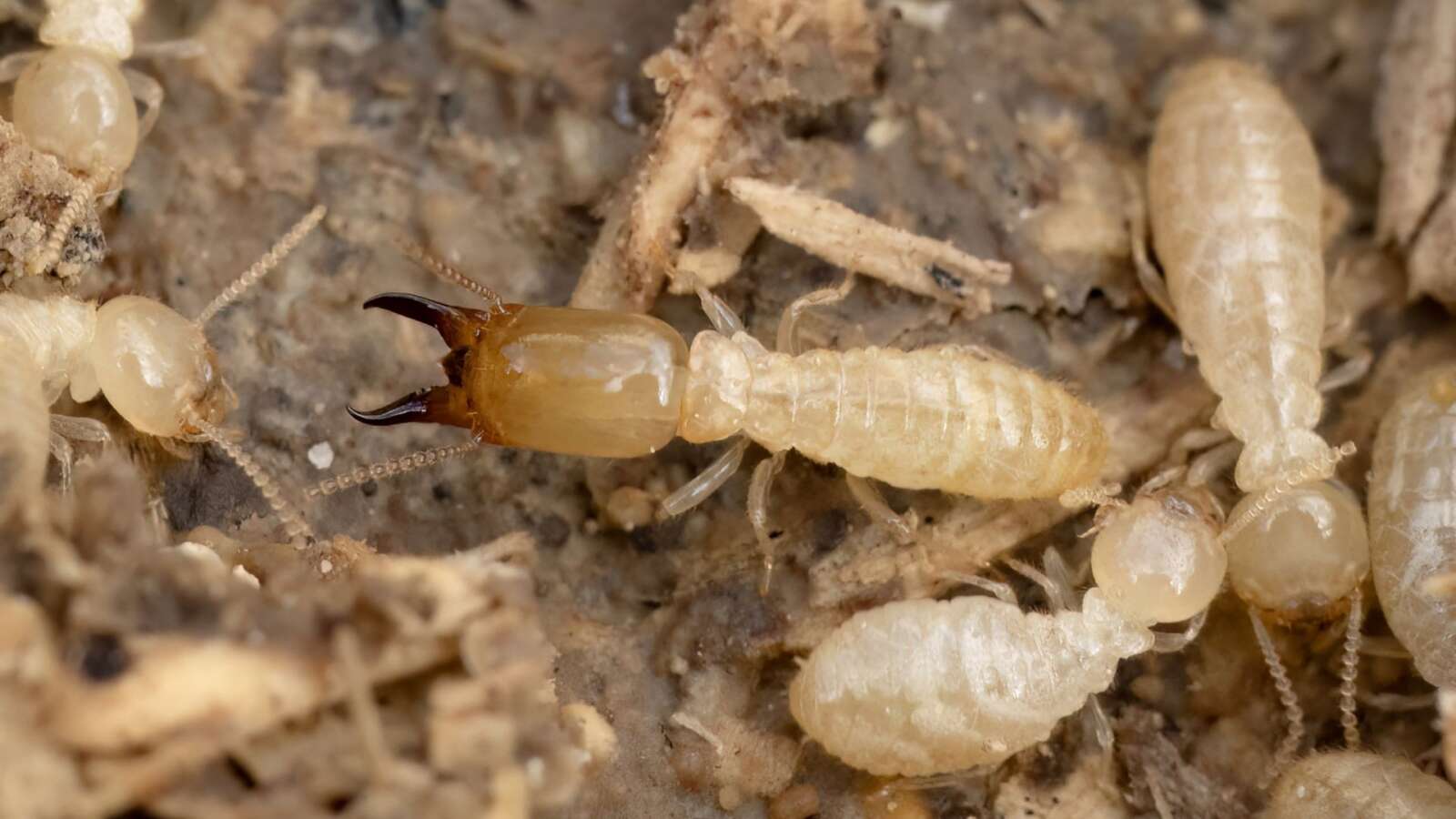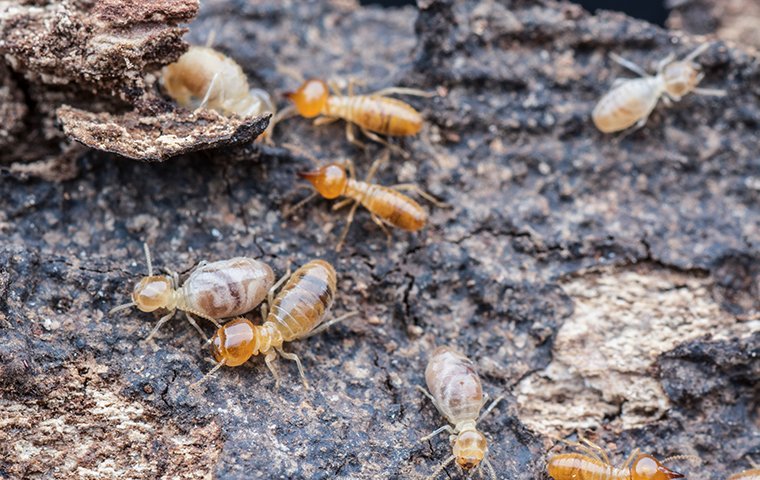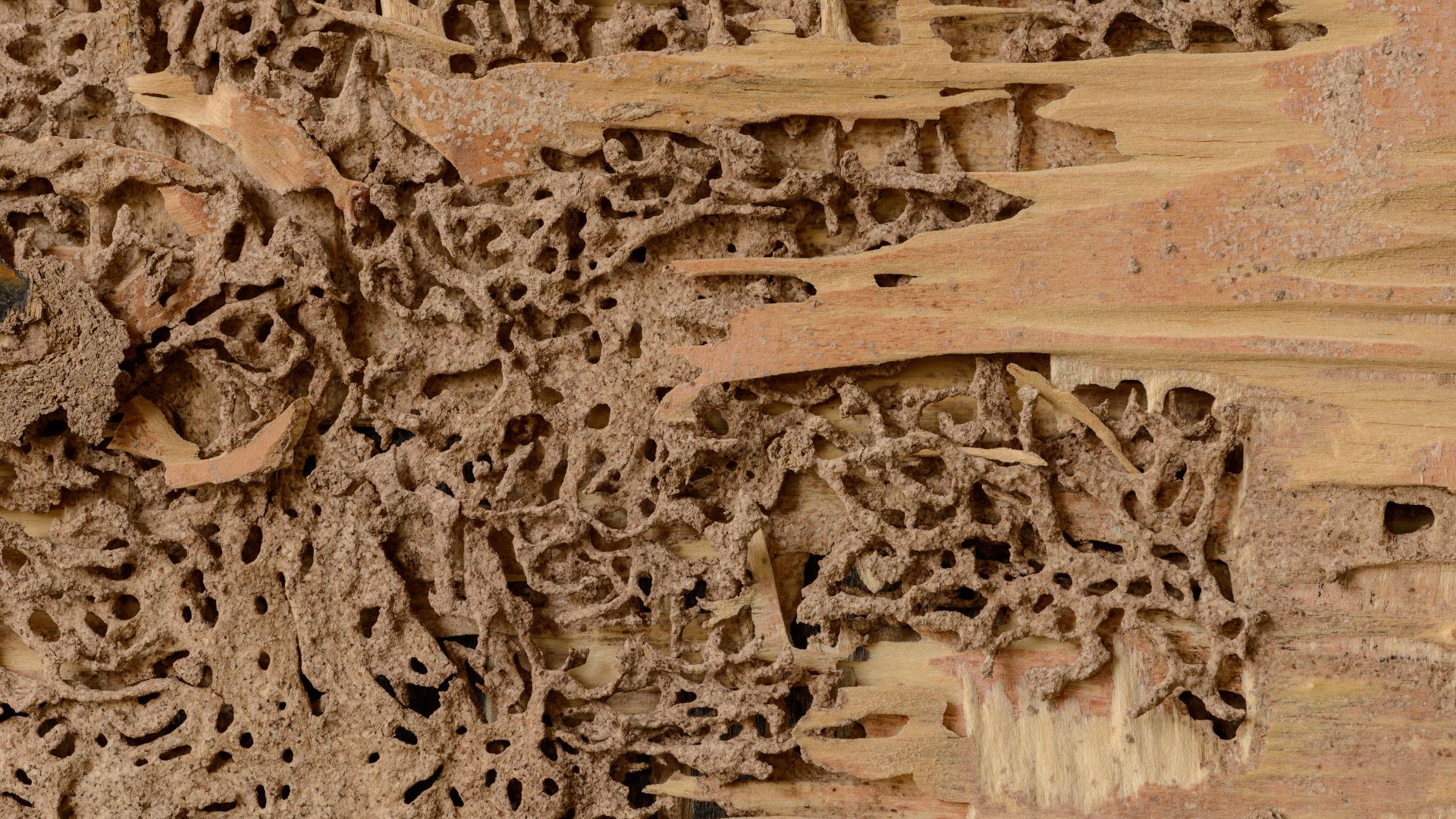

Most Tucson homeowners catch termite damage only after it’s too late. A door that used to close cleanly starts to drag. A baseboard gives a little when you press on it. A hairline crack in the drywall that wasn’t there last fall now is. None of those things shout termite, and that’s the point. Subterranean and drywood colonies work in places you can’t see. By the time anything visible shows up, the colony has usually been running for months. This guide walks through the cues worth catching early, where to look before you’ve got a confirmed problem, and what termite damage repair involves once you do.
What Termite Damage Looks Like
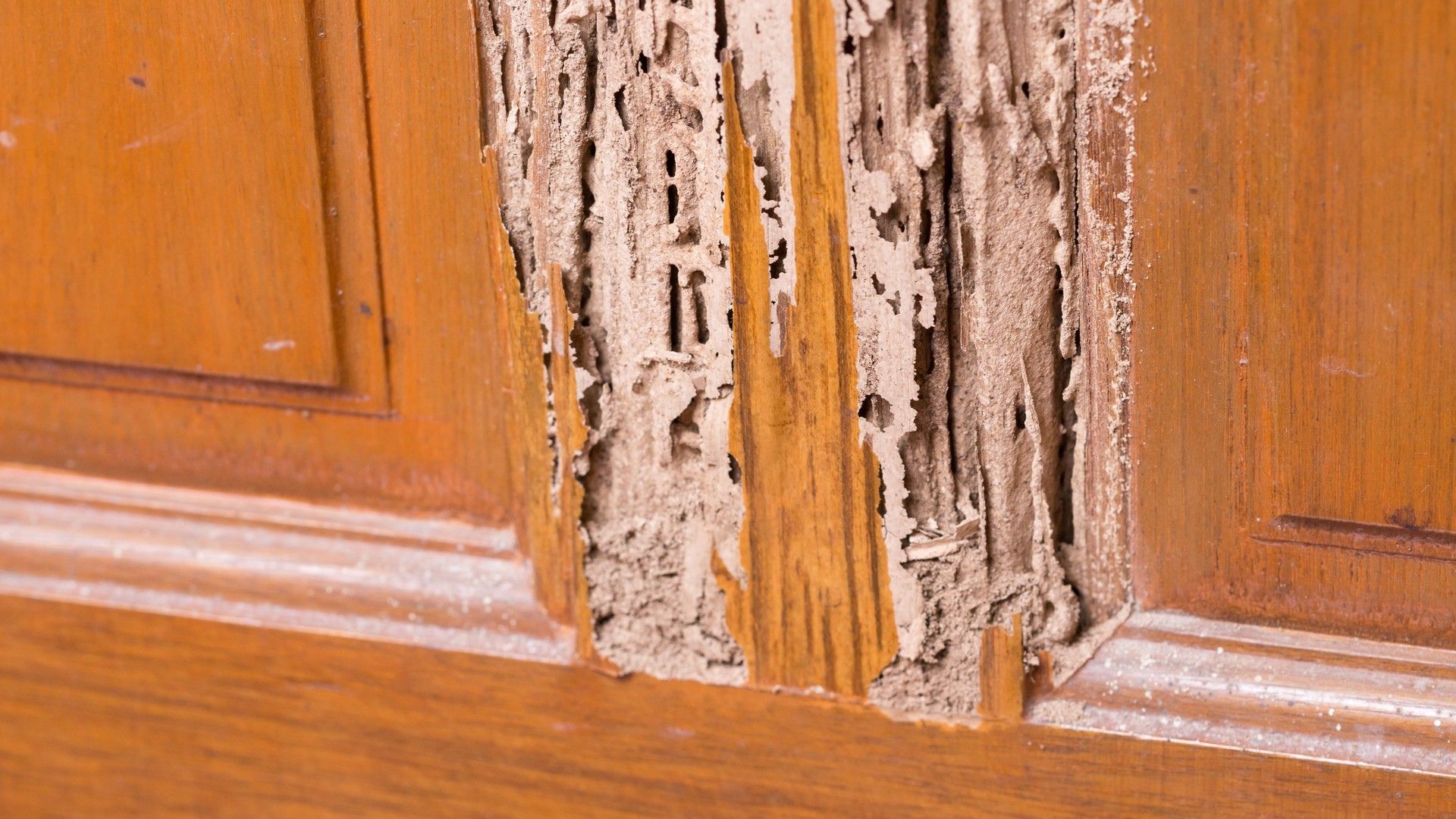
What people picture when they think “termite damage” is often not what they’ll see in their own house. The image that comes to mind is exposed tunnels or visible termites crawling across a beam. What’s worth watching for instead is a pencil-thin mud tube running along a foundation, or paint that looks blistered from underneath for no reason you can explain, or a handful of what could pass for coarse pepper sitting on a window ledge. Wood that sounds hollow when you knock on it is another one. These cues get missed because they don’t look like what homeowners expect termite damage to look like.
Subterranean vs. Drywood Damage
The two species that matter in Tucson attack from opposite directions. Subterranean termites live underground and tunnel up to reach wood. They build the pencil-thin mud tubes you see along foundations and garage stem walls. If you spot one, you’re looking at active transit infrastructure, not the colony. The colony is still in the soil, sometimes ten feet or more from the damage you can see. Drywood termites work differently. They nest inside the wood they’re eating. That means an infestation can be running in an attic beam with no obvious sign on the walls below. The tell is frass: fine pellets of digested wood that get kicked out of exit holes and pile up underneath. That pile of coarse-pepper debris under a windowsill or rafter is often the first thing a homeowner notices on their own.
How Serious Can It Get?
Serious enough that we treat every confirmed case with urgency. The issue isn’t that termite damage is visible. It’s that it isn’t. A colony can eat enough of a stud’s cross-section to compromise the wall’s load-bearing capacity before any paint blisters or any floor sags. We’ve opened walls where the drywall looked untouched and the 2×4 behind it was a shell. Most of the termite damage pictures floating around online show wood that’s already been fully excavated. That’s the end of the process, not the beginning, and it’s part of why homeowners underestimate how much structural termite damage has to accumulate before anything is visible.
Signs of Structural Damage
Framing damage usually shows up in the rest of the house before it shows up in the wood itself. A floor that gives under your foot where it didn’t last year. Doors that fit fine through the summer and now stick hard enough to need a shoulder. Or a faint ceiling sag with no roof leak to explain it. These signals are almost always missed for months, because they look like normal settling rather than active damage.
Signs worth acting on:
- Knock on a baseboard or door frame. If it sounds hollow, mark the spot and come back to it.
- Doors or windows that used to fit cleanly and now stick
- Any spot in the floor, ceiling, or wall that flexes under pressure when it didn’t before
- Paint lifting off wood in a pattern that doesn’t match weathering or humidity
How to Spot Termite Damage Early
Early detection is mostly a question of knowing where to look. Most homeowners walk past the highest-risk spots every day without checking them. Garage framing, the base of the garage door, attic corners, and plumbing penetrations through the slab don’t get inspected unless you make a point of it. A flashlight and a basic screwdriver for gentle probing will get you most of the way through a first pass.
Where to Check in Your Home
Subterranean colonies need soil-to-wood contact, so your first stops are anywhere wood meets dirt, concrete meets wood, or a pipe punches through a slab. Drywood colonies usually enter through the attic. Fascia, soffits, and unsealed vents are the typical entry points.
High-priority areas to check:
- Walk the full foundation for mud tubes, especially at stem walls and expansion joints
- Garage framing, anywhere it contacts concrete
- Attic rafters, fascia, and the underside of roof decking (bring a flashlight)
- Baseboards, door frames, and window sills on exterior-facing walls
Termite Damage Repair in Tucson
The non-negotiable rule is treat first, repair second. If we repair wood while the colony is still active, the new material becomes the next target, and you’re paying for lumber that gets re-colonized within months. Once the colony is eliminated, the repair scope depends on what got hit. A spongy baseboard is a straightforward carpentry fix. Rim joist damage is a different phone call. That one usually means coordinating with a general contractor, because you’re into load-bearing territory. Tucson sits in one of the few parts of the country where both termite species overlap heavily, which is part of why identification matters more here than almost anywhere else we work.
When to Call a Professional
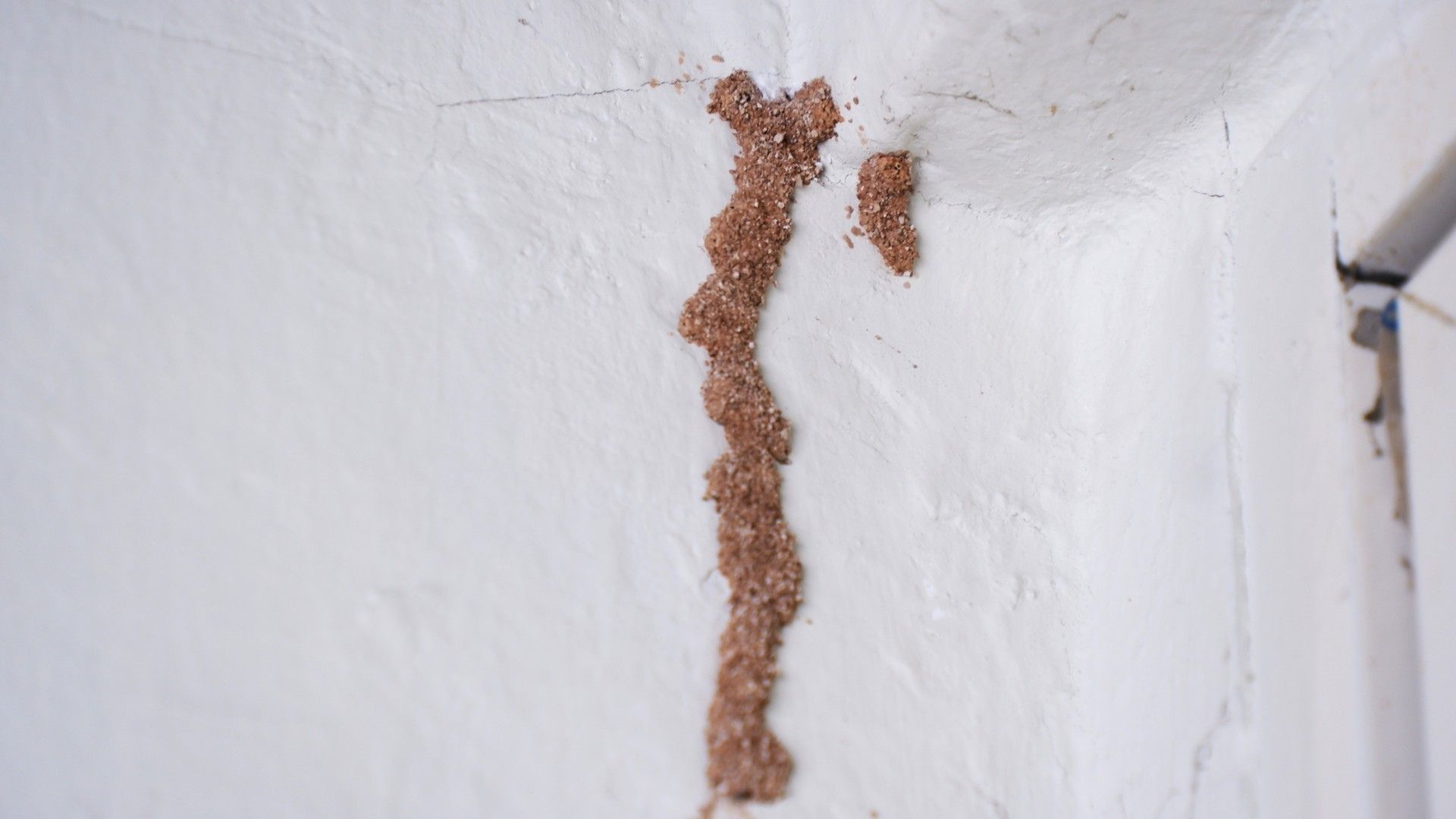
Call when you see any of the signs above, or when something feels off and you can’t rule termites out. A sticking door and a hollow-sounding baseboard is enough to warrant a look. So are frass piles in the attic, fresh mud tubes anywhere on an exterior wall, or swarmers appearing inside the house in February or March. Waiting for visible structural damage almost always means a bigger check at the end. If you want to know what an inspection and treatment visit involves, we’ve laid the process out step by step.
Get Termite Control – GreenShield
If you suspect termite damage in a Tucson home, the worst option is waiting to see whether it progresses. It will. Subterranean colonies don’t pause. Drywood colonies don’t relocate somewhere easier to find. Every month of delay costs more wood and a larger bill at the repair end. Call us at (520) 393-3352 to get on the schedule, or send us a message through the website. We cover residential and commercial work across Pima County, top to bottom.
Service areas:
- Benson, AZ
- Marana, AZ
- Tucson, AZ
- Sahuarita, AZ
- Oro Valley, AZ
- Vail, AZ
- Green Valley, AZ
- Sierra Vista, AZ