
The first bark scorpion most Tucson families see inside the house is usually in a shoe, on a bathroom wall after midnight, or crawling across a countertop in a room the kids were just in. The reaction is the same almost every time: how did this get in, and how many more are out there.
Both questions have real answers, and the second one is almost always the more important one. This guide covers what makes bark scorpions a different problem than most desert pests, how to spot the signs of a scorpion infestation before it gets worse, and what scorpion control in Tucson AZ actually involves from the outside of your home in.
Bark Scorpion Risks in Tucson

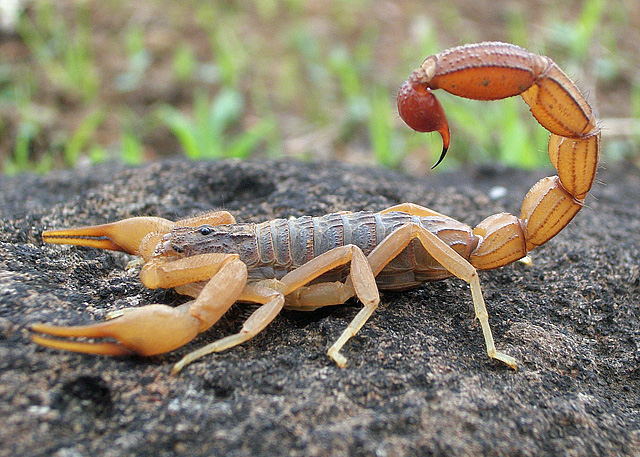
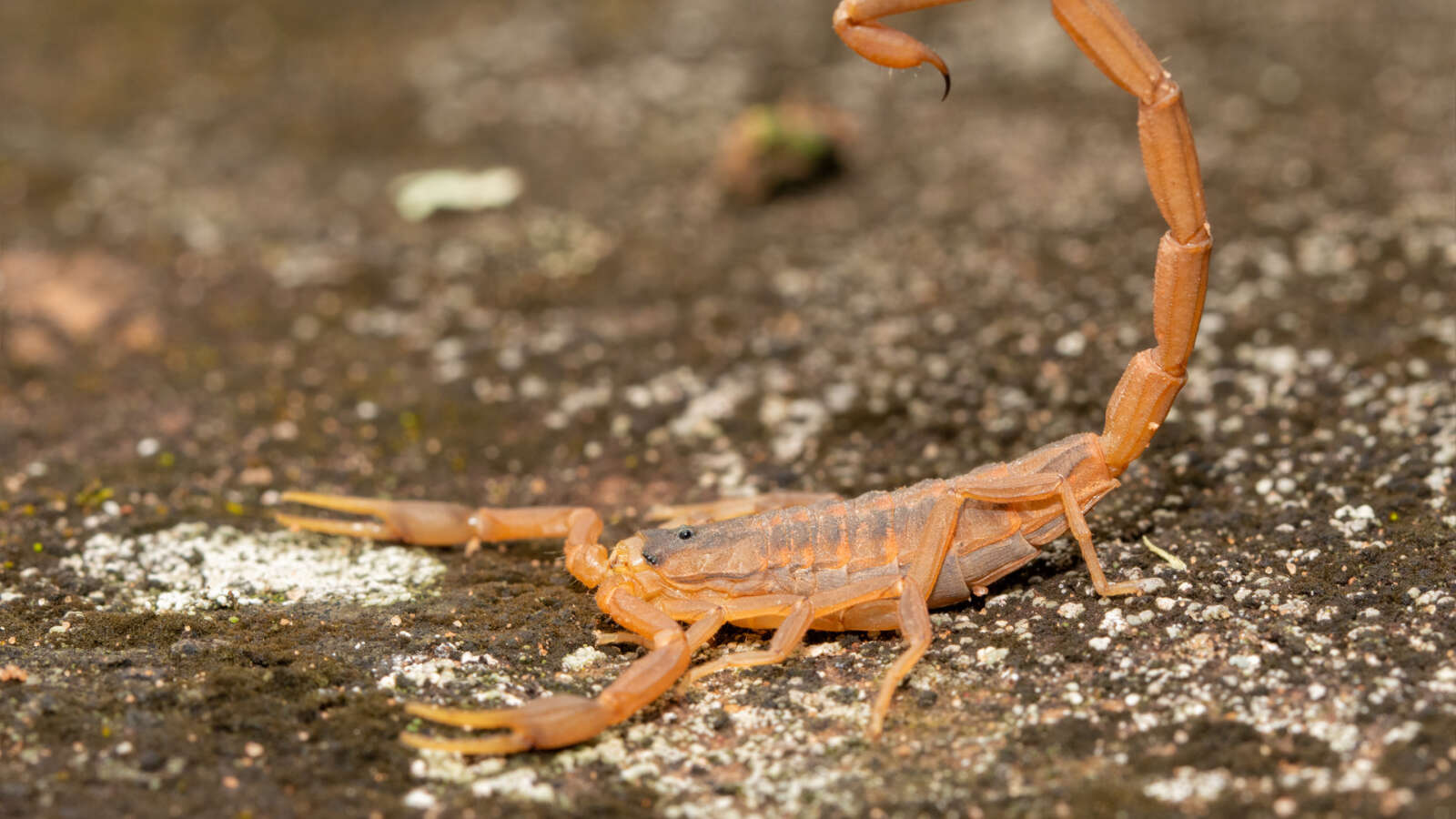
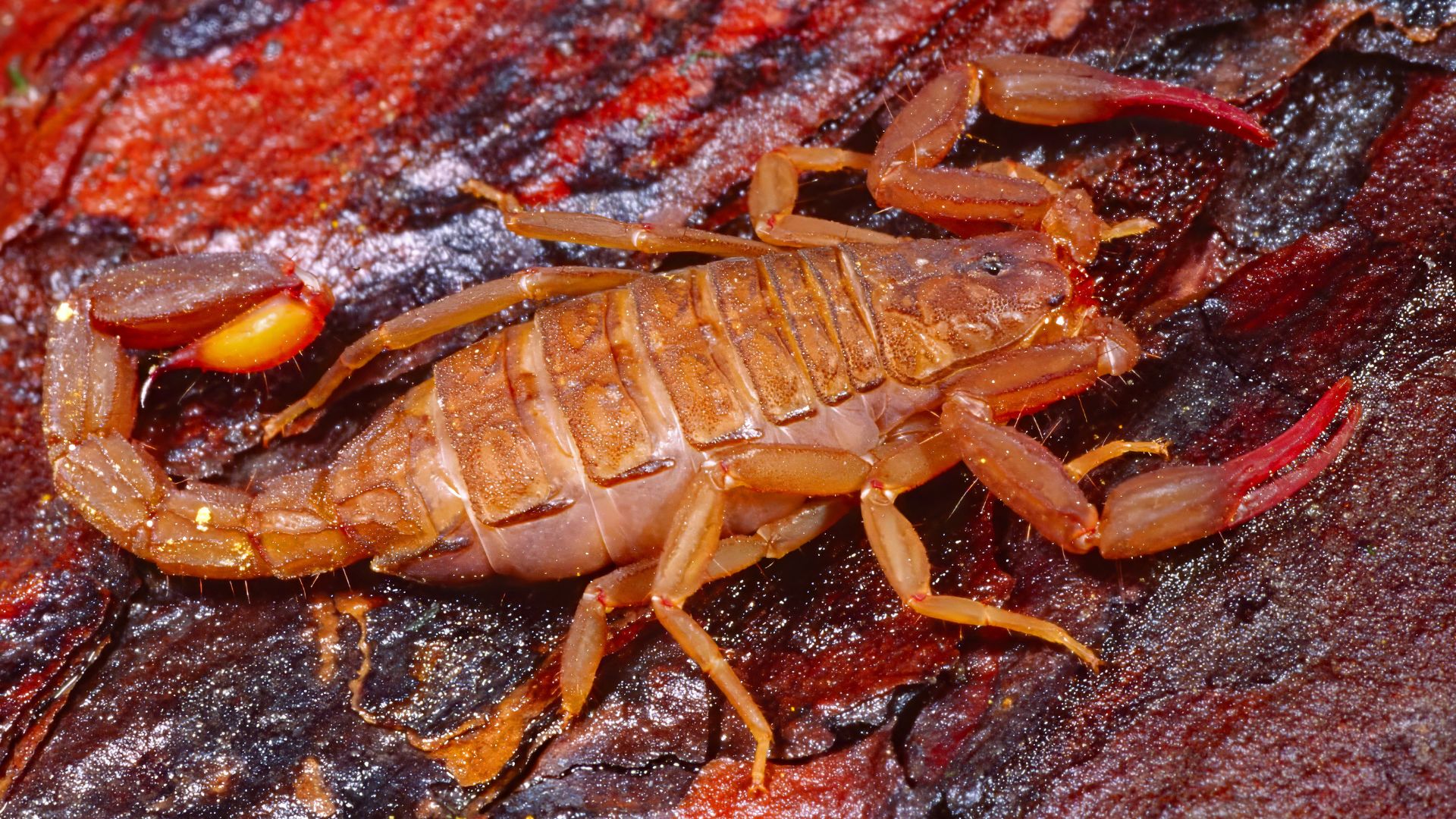
Tucson has several scorpion species, but only one that warrants real concern: the Arizona bark scorpion. It’s smaller than most people expect, pale yellow-brown, and almost impossible to see against the stucco walls and desert soil where it spends most of its time. The size is part of what makes it dangerous.
Signs of Scorpion Infestation
What separates the Arizona bark scorpion from every other species in the region is that it climbs. Walls, screens, rough stucco, the inside of a closet shelf: surfaces that other scorpions cannot scale are no obstacle for bark scorpions. This is why they show up in places that feel impossible, on the ceiling, in a folded towel on an upper shelf, inside a child’s shoe stored near a wall.
According to the University of Arizona Department of Emergency Medicine, bark scorpion stings can cause severe localized pain and, in young children and elderly adults, systemic effects serious enough to require medical treatment. It’s the only scorpion in the continental United States with that medical profile.
A single scorpion sighting in the house is not always evidence of an infestation. One that wandered through a gap from outside is different from a population that has harborage on your property. The distinction matters for deciding how to respond.
Signals that scorpions are present in more than passing numbers:
- Multiple sightings inside over a short period, especially in rooms on different sides of the house
- Frequent nighttime activity on exterior walls near doors, windows, or utility penetrations
- Scorpions found in areas with consistent moisture: under sinks, in the laundry room, near the water heater
- Signs of scorpion infestation that go beyond single sightings, including finding them in beds, on walls above head height, or in rooms with no obvious entry point
Scorpion Season in Arizona
Bark scorpions in Tucson are never fully dormant, but late winter and early spring is when their behavior shifts in ways that matter most to homeowners. Overwintering scorpions that clustered together in wall voids, under rock features, and in debris piles near structures start moving as temperatures rise in February and March. That movement is what brings them toward houses.
When Scorpions Are Most Active
In Tucson, bark scorpion activity builds from March through the hottest summer months, then tapers off in November. Arizona scorpion season does not follow a simple bell curve, though. During triple-digit summer heat, scorpions push toward cooler interior spaces rather than staying outside. This is one reason indoor encounters actually increase during July and August even though homeowners sometimes expect summer heat to drive them away.
Spring yard work accelerates this process. Pulling dead vegetation, moving stacked materials, or clearing debris from fence lines disturbs the daytime harborage scorpions have been using for months. Disrupted scorpions do not leave the property; they relocate, and the nearest shelter is often the structure itself.
Conditions around a property that consistently drive scorpion pressure higher:
- Warm south- or west-facing walls that retain heat into the evening, extending scorpion activity windows
- Insect activity near exterior lighting, which concentrates the crickets, roaches, and other prey scorpions depend on
- Irrigation runoff or drip system moisture near the foundation, which draws both prey insects and scorpions
- Rock features, block walls, woodpiles, or stored materials within a few feet of the exterior walls
How to Keep Scorpions Out
Scorpion control in Tucson AZ works better when treatment and exclusion happen together. Chemical treatment handles the population currently present. Exclusion and harborage reduction change why scorpions are showing up in the first place. Neither alone is as effective as both.
Home Sealing & Prevention Tips
Bark scorpions can compress their bodies enough to pass through any gap they can get their claws into, which in practice means gaps around a quarter of an inch or less. The most common entry points are the base of garage doors with worn weatherstripping, the gap beneath exterior doors that have settled slightly, and penetrations where pipes, conduit, or cabling enter through exterior walls. Adding door sweeps and replacing cracked weatherstripping closes the most frequently used routes.
Outside, the goal is removing the staging area scorpions use before they attempt entry. During the day, bark scorpions rest under flat, sheltered surfaces: flagstone pavers near the house, decorative boulders against the foundation, landscape timber borders, stacked wood, and leaf debris in planters or against the base of the wall.
None of those features has to be removed entirely; they just need to be moved away from the perimeter far enough that scorpions resting in them are not immediately adjacent to an entry point.
Our Scorpion Control Process
Bark scorpions do not wander onto a property randomly. They follow prey. Crickets, cockroaches, and other insects concentrate near exterior lighting and moisture, and scorpions follow them in. Effective scorpion pest control in Tucson has to account for that food chain, not just treat the scorpions at the end of it.
Bark Scorpion Extermination
We treat the exterior perimeter with products labeled specifically for scorpion control in desert environments, focusing on the foundation line, harborage zones, and the pathways scorpions use to move from the yard to the structure. That treatment runs concurrently with targeted application for the prey insects sustaining the population. Reducing what scorpions are eating on your property matters as much as treating the scorpions directly.
For homes with persistent bark scorpion pressure, we include black light inspections as part of service visits. Scorpions fluoresce under UV light in ways that are invisible in normal conditions. A black light walk of the exterior at dusk reveals active scorpions, high-traffic zones, and harborage sites that a daytime inspection can miss. It also gives us a reliable way to measure whether treatment is working over successive visits.
Our scorpion control and residential pest control programs are designed around how Tucson’s climate actually works, not a generic plan applied to any warm-weather market. Bark scorpions are active here in months when they would be dormant elsewhere, which means the service schedule has to reflect that.
Get Scorpion Control with GreenShield Pest Control
Spring is when scorpion populations start moving. Getting treatment in place now means dealing with fewer scorpions over the summer, not scrambling to respond after they’re already showing up regularly inside the house.
If you are seeing scorpions in or around your Tucson home, or if you want to get ahead of the season before activity picks up, GreenShield Pest Control can help.
Reach our team through the contact us page on the GreenShield website to schedule a service visit.